

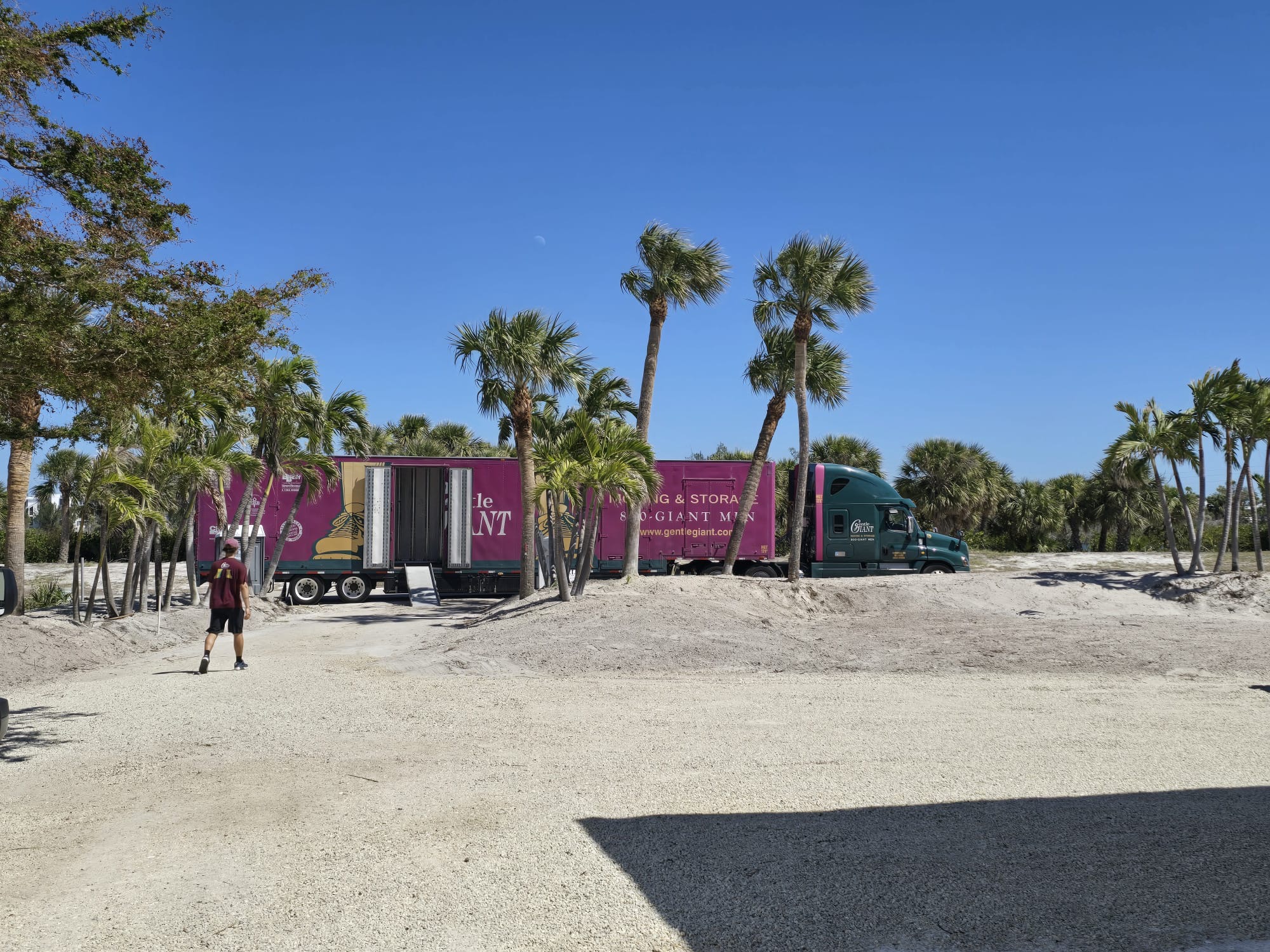
Florida has a lot going for it. Sunshine year-round, no state income tax, beautiful beaches, and a lifestyle that draws people from all over the country. But while the move itself might feel exciting, relocating to Florida comes with some unique challenges that can catch people off guard.
If you’re planning a move to the Sunshine State, avoiding a few common mistakes can make the difference between a smooth transition and an expensive headache. Below are the top 10 mistakes to avoid when moving to Florida, plus practical tips to help your move actually live up to the dream.
Mistake #1: Underestimating Climate and Weather Costs
Florida’s heat, humidity, and severe weather are not just lifestyle factors. They can have a real impact on your budget.
Air conditioning often runs year round, which can significantly increase utility bills. Add hurricane exposure, higher home maintenance needs, and storm resiliency upgrades, and costs can add up quickly.
Pro tip: Budget for higher electricity usage and have any home inspected for hurricane protections such as impact windows, shutters, and roof condition.
Mistake #2: Ignoring the Real Estate Market and Insurance Premiums
Florida’s real estate market varies widely by region, but one constant is high homeowners insurance due to hurricane risk. Premiums can change year to year and differ significantly between properties.
Housing prices have also risen quickly in many areas, especially coastal cities.
Pro tip: Look at the full monthly cost before committing, including mortgage or rent, insurance, property taxes, and any HOA fees.
Mistake #3: Assuming Low Taxes Mean a Low Cost of Living
It is true that Florida has no state income tax, but that does not automatically mean it is cheaper to live there.
Insurance, utilities, property taxes, and even groceries can be higher depending on the area. Many people underestimate these recurring expenses.
Pro tip: Do a true side by side cost of living comparison between your current location and your target Florida city.
Mistake #4: Skipping Local Infrastructure and Transit Realities
Public transportation is limited in many parts of Florida, and traffic congestion can be a surprise, especially in metro areas like Miami, Tampa, and Orlando.
Commute times, parking availability, and access to everyday essentials vary greatly by neighborhood.
Pro tip: Test drive your commute and confirm how close you will be to work, schools, healthcare, and grocery stores.
Mistake #5: Overlooking the Timing of Your Move
Florida’s peak moving season overlaps with hurricane season, which runs from June through November. Summer is also the busiest and often most expensive time to move.
Pro tip: If possible, schedule your move outside peak months and have a weather backup plan in place.
Mistake #6: Neglecting Building Codes, HOA Rules, and Flood Risk
Florida has strict building codes, extensive flood zones, and many communities governed by HOAs. These factors can affect everything from renovations to monthly expenses.
Pro tip: Confirm flood insurance requirements, elevation levels, HOA fees, and any restrictions before signing paperwork.
Mistake #7: Under Preparing for Wildlife and Natural Hazards
Florida living comes with wildlife, from alligators and snakes to insects and coastal critters. Add frequent thunderstorms and the occasional sinkhole, and the environment can feel very different for newcomers.
Pro tip: Ask about local wildlife activity, drainage systems, and safety features, especially if you plan to spend time outdoors.
Mistake #8: Forgetting Relocation Logistics
New Florida residents must update their driver’s license and register their vehicle, typically within thirty days. Utilities, school enrollment, and healthcare providers also need to be set up quickly.
Pro tip: Create a relocation checklist for before and after your move to stay organized and avoid last minute stress.
Mistake #9: Not Researching the Right Neighborhood or Lifestyle Fit
Florida is not one size fits all. North Florida feels very different from South Florida, and coastal living is not the same as inland suburbs.
Culture, schools, walkability, and growth trends vary widely.
Pro tip: Spend time in different neighborhoods and evaluate lifestyle factors, not just home prices.
Mistake #10: Not Planning for Long Term Flexibility
Florida’s real estate market can be volatile, and life plans change. Overextending your budget or locking yourself into an inflexible situation can make future moves difficult.
Pro tip: Buy or rent with flexibility in mind and avoid stretching your budget too thin.
Move Smart and Avoid the Regret
Moving to Florida can be a great decision when it is done intentionally. By understanding the realities of climate, costs, logistics, and lifestyle differences, you can avoid common pitfalls and set yourself up for success.
Doing your homework, planning ahead, and working with experienced professionals can make all the difference. If you are preparing for a move to Florida and want support from a team that knows how to handle complex relocations, Gentle Giant Moving and Storage is here to help, from careful planning to moving day and beyond.